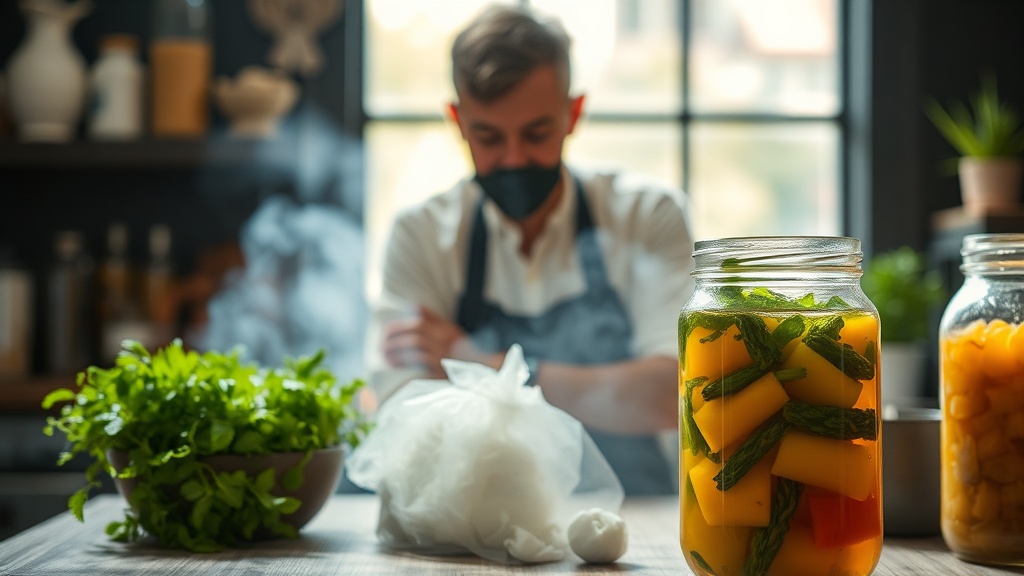
Bringing Deep Flavors to Your Kitchen Through Fermentation

Bringing Deep Flavors to Your Kitchen Through Fermentation
Did you know that some traditional fermented foods, like artisanal sauerkraut or homemade kimchi, can introduce billions of beneficial bacteria per serving—often surpassing the probiotic count of many store-bought supplements? This guide explores the fascinating world of home fermentation, covering what it is, why it matters for your health and palate, and how you can confidently begin your own flavorful projects right in your kitchen. We’ll break down the process into easy, manageable steps, demystifying a technique that’s far simpler than you might imagine.
Why Should You Consider Fermenting Foods at Home?
Beyond the impressive probiotic punch, fermenting your own foods opens up a world of incredible flavors and textures that simply aren’t available in unfermented ingredients. Think about it: a crisp, tangy dill pickle, a rich, complex sourdough loaf, or the vibrant fizz of kombucha. These aren’t just different versions of their base ingredients—they’re entirely new culinary creations, transformed by beneficial microbes. This process breaks down starches and sugars, making nutrients more available to your body and often creating new compounds that contribute to unique aromatic profiles and a pleasant tang.
For instance, lactic acid fermentation, common in making sauerkraut and kimchi, produces lactic acid, which not only preserves the vegetables but also imparts that distinctive sour, umami-rich taste. This chemical change means your fermented carrots don't just taste like sour carrots; they possess an intricate flavor that adds depth and brightness to meals. Moreover, fermenting at home can be incredibly economical. A head of cabbage and some salt can become a jar of nutrient-dense sauerkraut that lasts for weeks—a far cheaper option than buying specialty fermented products.
The act of fermenting also offers a connection to food preparation that’s deeply satisfying. It’s a slow, patient process, almost meditative, as you observe the subtle changes in your ingredients over days or weeks. This isn't just cooking; it’s cultivating—a small, living ecosystem thriving on your counter, working to produce something delicious and healthful. For more on the health benefits of fermented foods, a