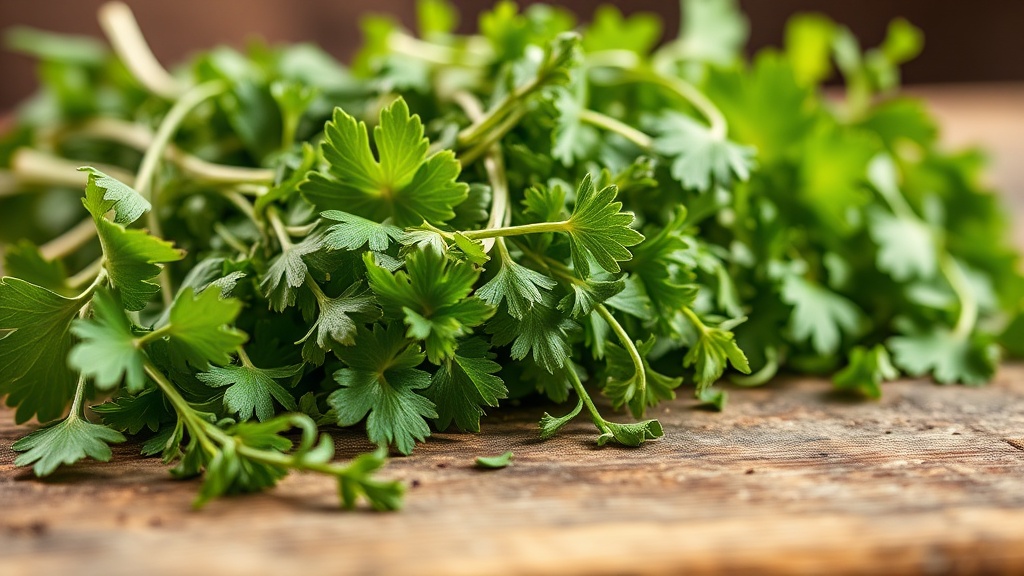
Fresh Herb Flavor: Simple Ways to Brighten Every Dish

Unlock the Full Potential of Fresh Herbs
Want to transform your cooking from merely good to truly spectacular? The secret often lies in the thoughtful use of fresh herbs. This guide will walk you through practical strategies for selecting, storing, and preparing fresh herbs to infuse your meals with vibrant, aromatic flavor. You'll discover how to make these natural powerhouses work harder for you, ensuring every bite sings with brightness and complexity—no fancy techniques or obscure ingredients required.
How Do You Choose the Best Fresh Herbs?
The foundation of great herb flavor starts at the market. Don't just grab the first bunch you see; a little discernment here pays huge dividends in taste and longevity. Look for herbs that exhibit vivid, uniform color without any yellowing, browning, or dark spots. The leaves should appear firm and plump, never wilted or limp. A fresh herb—whether it's basil, parsley, or rosemary—should also have a noticeable, appealing fragrance. If it smells dull or off, it’s past its prime.
Consider the stem strength, too. Tender herbs, like cilantro, dill, and parsley, will have more flexible stems, but they shouldn't feel rubbery. Woody herbs, such as rosemary, thyme, and oregano, feature firmer, almost twig-like stems. Always check for signs of moisture damage, such as slimy leaves or excessive condensation in packaging, which indicates early spoilage. Choosing well means you’re already halfway to a more flavorful dish.
What's the Secret to Keeping Herbs Fresh Longer?
Bringing home beautiful herbs only to have them wilt in the fridge a day later is a common kitchen frustration. Luckily, simple storage tricks can significantly extend their freshness, preserving that precious flavor until you’re ready to cook. The method depends on the herb’s type.
For Tender, Leafy Herbs (Basil, Cilantro, Parsley, Mint, Dill):
- The Bouquet Method: Treat these like a bouquet of flowers. Trim the very ends of the stems and place the herbs, stems down, in a glass or jar with about an inch of fresh water.
- Cover and Refrigerate: For most tender herbs, loosely cover the leaves with a plastic bag (a produce bag works well) and refrigerate. Basil, however, prefers room temperature, as refrigeration can cause its delicate leaves to blacken. Change the water every day or two to keep it clean. This method can keep herbs fresh for up to a week, sometimes longer.
For Woody Herbs (Rosemary, Thyme, Oregano, Sage, Marjoram):
- Damp Paper Towel Wrap: Moisten a paper towel (don't drench it—just damp). Wrap the washed, dried woody herbs in the paper towel.
- Seal in a Bag: Place the wrapped herbs inside a sealed plastic bag or an airtight container.
- Refrigerate: Store them in the crisper drawer of your refrigerator. This approach creates a humid, protective environment that prevents them from drying out, keeping them vibrant for two weeks or more.
Freezing Herbs for Long-Term Storage:
If you have an abundance of herbs, don't let them go to waste! Freezing is a fantastic option, especially for herbs destined for cooked dishes where texture isn't as critical. Chop your chosen herbs finely. You can then pack them into ice cube trays, covering them with a neutral oil (like olive oil) or even water. Once frozen solid, pop the herb cubes out and store them in a freezer-safe bag. They're perfect for dropping directly into soups, stews, sauces, or sautés, releasing their flavor as they melt.