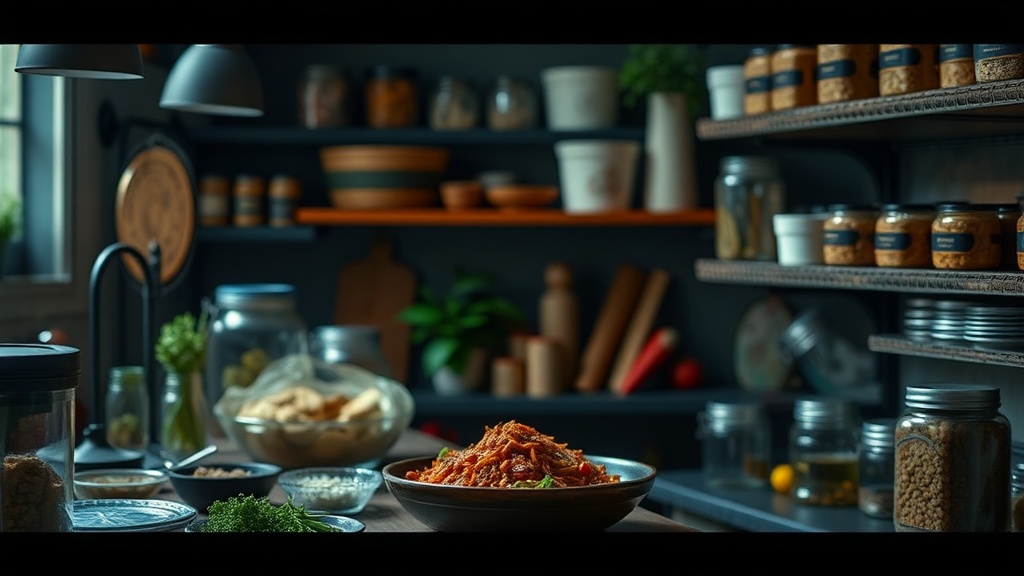
Hidden Gems in Your Pantry to Elevate Every Meal

Nutritional Yeast for Savory Depth
Tahini for Creamy Texture
Smoked Paprika for Earthy Heat
Miso Paste for Umami Richness
Apple Cider Vinegar for Bright Acidity
You'll learn how to transform basic ingredients into restaurant-quality meals by using specific pantry staples that add depth, acid, and texture. This list focuses on high-impact items—from fermented pastes to specific oils—that turn a simple bowl of pasta or a plain roasted vegetable into something memorable.
Most home cooks rely on the same five or six basics. Salt, pepper, garlic, onion, and maybe a splash of olive oil. While those are the foundation, they won't make a dish stand enough to stand out. To get that professional edge, you need to look at the back corners of your cupboards. It’s about the tiny additions that change the entire profile of a dish.
What are the best pantry staples for deep flavor?
The best pantry staples for deep flavor are fermented ingredients like miso paste, gochujang, and high-quality fish sauce. These items provide umami, which is that savory "fifth taste" that makes your mouth water. Without umami, even a well-seasoned dish can feel flat or one-dimensional.
Take Miso, for instance. Whether you're using white miso for a subtle sweetness or red miso for a heavy, salty punch, it adds a layer of complexity that salt alone can't reach. I often stir a teaspoon into my butter before finishing a steak or whisk it into a vinaigrette. It’s a small move, but the difference is massive.
Then there's Gochujang. This Korean fermented chili paste isn't just "hot"—it's funky, sweet, and deeply savory. If you're making a simple braise or even a basic tomato sauce, a dollop of Gochujang adds a structural weight to the sauce. It's not just about heat; it's about building a base that feels complete.
Don't overlook fish sauce either. I know, it sounds intimidating. But a few drops of a high-quality brand like Red Boat can transform a vegetable stir-fry or a basic soup. It adds a salty, oceanic depth that makes people wonder why your cooking tastes so much better than theirs. It isn't "fishy" once it's cooked—it's just deeply savory.
"The secret to great cooking isn't more ingredients; it's better ones."
The Umami Toolkit
- Soy Sauce: Use aged varieties for a richer, more complex saltiness.
- Nutritional Yeast: A great way to add a cheesy, nutty flavor to vegan dishes or popcorn.
- Tomato Paste: Not just for spaghetti—sear it in a pan until it turns dark brick-red to unlock its sweetness.
- Anchovy Paste: A tiny amount melts into sauces, providing a salty backbone without the texture of fish.
If you want to understand the science behind why these work, the Wikipedia page on Umami offers a great breakdown of how these compounds interact with our taste buds.
How can acid brighten a heavy dish?
Acid brightens a heavy dish by cutting through fat and balancing salt, primarily through the use of vinegars, citrus, and fermented liquids. If a dish tastes "heavy" or "dull," it usually lacks acidity rather than salt.
I've seen so many people add more salt to a soup when it tastes "off," only to find out it actually needed a squeeze of lemon. Salt and acid are two different tools. Salt enhances existing flavors, while acid provides a bright, sharp contrast to heavy fats or starches. It wakes up the palate.
Vinegars are your best friend here. Apple cider vinegar is wonderful for grain salads, while Sherry vinegar adds a sophisticated, nutty brightness to roasted vegetables. If you're making a heavy, cream-based sauce, a splash of white wine vinegar can prevent it from feeling too cloying.
Here is a quick guide on which acid to use for different flavor profiles:
| Ingredient Type | Best For... | Flavor Profile |
|---|---|---|
| Rice Vinegar | Sushi rice, Asian-style dressings | Mild, slightly sweet, clean |
| Balsamic Vinegar | Salads, roasted meats, reductions | Rich, sweet, woody |
| Lemon/Lime Juice | Seafood, bright salads, brightening soups | Sharp, fresh, citrusy |
| Apple Cider Vinegar | Grain bowls, hearty stews, marinades | Fruity, tangy, approachable |
One thing to remember: always taste your food as you go. If a dish feels "flat," reach for the acid before you reach for the salt shaker again.
Which oils provide the most flavor?
The best oils for flavor are those that are used as a finishing element rather than just a cooking medium. While neutral oils like canola or grapeseed are great for high-heat frying, they don't contribute much to the final flavor profile of a meal.
To really change a meal, you need to look at high-quality fats. Extra virgin olive oil is the obvious choice, but the quality varies wildly. A cheap, supermarket-brand olive oil might be fine for sautéing onions, but a premium, cold-pressed oil from a producer like Bertolli or a local artisanal brand is a different story. Use the good stuff as a finishing oil over a warm soup or a crusty piece of bread. The aroma alone is worth the price.
Then there's toasted sesame oil. It's incredibly potent. A little goes a long way. If you use too much, it becomes overwhelming and greasy, but a few drops at the end of cooking can make a dish feel incredibly polished. It adds a toasted, nutty aroma that simple vegetable oil just can't touch.
I also highly recommend keeping a jar of chili oil in the pantry. Brands like Lao Gan Ma are legendary for a reason. It's not just about the heat—it's about the texture of the crispy bits and the depth of the infused oil. It turns a plain bowl of noodles or even a fried egg into something special.
For those interested in the nutritional side of fats, the Health Systems Information or similar nutritional databases can provide context on the different types of fats used in cooking.
The Oil Hierarchy
- Neutral Oils: High smoke point, no flavor. (Canola, Grapeseed, Vegetable)
- Cooking Fats: Medium smoke point, subtle flavor. (Butter, Ghee, Avocado Oil)
- Finishing Oils: Low smoke point, high flavor. (Extra Virgin Olive Oil, Toasted Sesame Oil, Chili Oil)
It's a common mistake to treat all oils the same. If you try to finish a steak with a high-smoke-point oil, you're missing out. If you try to deep-fry with a delicate finishing oil, you're wasting money. Match the tool to the task.
Texture is the final piece of the puzzle. A meal that is all one texture—soft, soft, soft—is boring. Even if your flavors are perfect, a lack of contrast makes the meal feel uninspired. This is where your pantry staples come back into play. Think about adding crunch, creaminess, or silkiness.
A handful of toasted pine nuts, a sprinkle of Maldon sea salt, or even a drizzle of heavy cream can change the way a dish feels in your mouth. It's not just about the taste; it's about the experience. A great meal should engage more than just your sense of taste. It should be a multi-sensory event.
Next time you're staring at a pantry that feels "empty," look closer. You probably have the components of a much better meal hiding in the back of the shelf. You just need to know how to combine them.