Why Your Sourdough Crumb Looks Dense and Tight

This guide explains why your sourdough bread might be coming out dense, gummy, or heavy instead of light and airy. You'll learn how to identify common fermentation failures, adjust your hydration levels, and refine your dough handling techniques to achieve a more open, bubbly crumb structure.
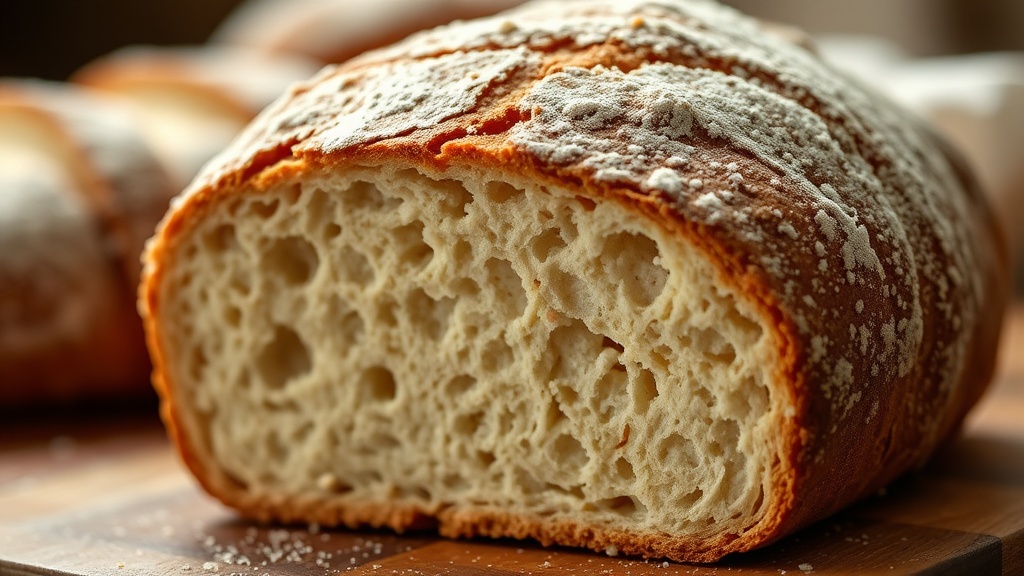
There's nothing quite as frustrating as spending three days tending to a starter only to pull a heavy, dense loaf out of the oven. You expect that beautiful, open crumb—the kind that looks like a honeycomb—but instead, you get something that feels more like a brick. This isn't just bad luck; it's usually a sign that one of three things went wrong: fermentation timing, hydration, or dough strength.
Why is my sourdough bread so dense?
The most frequent culprit behind a dense loaf is under-fermentation. If your dough hasn't produced enough gas during the bulk fermentation stage, it won't have the structural strength to lift the weight of the flour and water. Think of it like a balloon—if you don't blow enough air into it, it stays limp and heavy. Even if your dough looks bubbly, it might not have reached the level of acidity and gas production needed to lift that heavy crust.
Another common reason is over-proofing. While it sounds counterintuitive, if you let your dough rise for too long, the yeast exhausts its food supply. The gluten structure begins to break down (a process sometimes called enzymatic degradation), and the bubbles collapse. When it goes into the oven, there's no structural integrity left to hold the shape, resulting in a flat, dense loaf. To avoid this, watch your dough, not the clock. If your dough is still jiggly and has grown significantly in volume, it's likely ready. If it's slumped and looks like it's losing its shape, it's over-proofed.
The Role of Hydration and Flour Type
Hydration is the percentage of water relative to the weight of the flour. While many people chase high-hydration doughs (the ones with massive holes), these are much harder to handle. If your water content is too high for the type of flour you're using, the dough will become a sticky, unmanageable mess that lacks the strength to hold air. For instance, if you're using a low-protein bread flour but trying to bake with 80% hydration, the gluten network won't be strong enough to trap the CO2 bubbles.
A good rule of thumb is to match your water content to your flour's protein content. High-protein bread flour can handle more water, whereas all-purpose flour usually requires a lower hydration to maintain its shape. You can check the